
CONSTRUCTION & PERFORMANCE
How Bag Construction Affects Durability, Cost and Performance
Material matters, but construction determines how that material becomes a working product. Seams, handles, gussets, pockets, closures, lining and reinforcement all affect how a bag performs and what it costs to manufacture.

Two bags made from the same material can perform very differently if their construction is different. A stronger handle attachment, deeper gusset, additional lining or reinforced seam can change carrying capacity, shape retention, manufacturing time and unit cost.
For B2B buyers, this means durability should not be judged from fabric weight alone. The finished product is a system: material, pattern, sewing, reinforcement, components and intended load all work together.
The most efficient specification is not necessarily the most complex one. The objective is to use the construction features that the project actually needs and avoid both under-specifying and over-engineering the bag.
CORE PRINCIPLES
Construction Starts with the Load Path
When a bag carries weight, that load does not remain in the centre of the fabric. It moves through the base, side panels, seams and handle attachment points. Weakness at any of these areas can limit the performance of the complete product.
This is why a heavy material does not automatically guarantee a durable bag. If the handle is attached over a small area or a critical seam is under-specified, the construction can fail before the fabric itself becomes the problem.
CORE CONSTRUCTION ELEMENTS
How Structural Details Work Together
This PP woven shopper shows several construction decisions that also apply, in different forms, to cotton, canvas, nonwoven and other custom bag types.

Handle Attachment Is a Critical Stress Point
Handles transfer the weight of the contents into the bag body. Their width, material, length and attachment method all influence comfort and carrying strength.
A handle can be stitched directly into the top seam, extended farther down the body or reinforced with additional stitching. Each option changes both performance and manufacturing time.
For heavier loads, the attachment area is often more important than simply selecting a thicker handle.
Seams and Stitching Affect More Than Appearance
Seams define how panels are joined and how forces move through the bag. Stitch density, seam allowance, thread, binding and reinforcement can all affect durability.
Construction should match both the material and the use. A lightweight promotional tote does not need the same seam specification as a heavy reusable shopper or a multi-compartment travel bag.
Gussets Change Capacity, Shape and Cost
A flat bag uses fewer panels and generally requires simpler manufacturing. Adding a bottom gusset or full gusset creates more usable volume and can improve the way the bag stands or carries larger contents.
Gussets also affect cutting patterns, sewing operations and material consumption. For this reason, they should be included because the project needs additional volume or structure, not simply as a visual feature.

POCKETS & ADDED PANELS
Added Features Increase Functionality — and Production Steps
A front pocket looks simple in the finished product, but it introduces another component that must be cut, positioned and sewn accurately.
Pockets can improve usability and create additional branding opportunities, but they also add material, sewing time and quality-control points. Placement must work with the bag dimensions, artwork and handle positions.
The same principle applies to internal pockets, dividers, flaps and other sewn components: every added feature should have a clear functional or commercial purpose.

CLOSURE SYSTEM
Closure Type Changes Both Function and Construction
A drawstring bag uses the cord system as both closure and carrying mechanism. The upper channel, eyelets or cord-routing points therefore become structural parts of the product.
This type of construction can be lightweight and efficient, but the cord path and lower attachment points must suit the expected load and repeated movement.
Zippers, hook-and-loop closures, snaps and drawstrings all solve different functional problems and introduce different components and production steps.
LINING & INSULATION
Internal Layers Can Define Product Performance
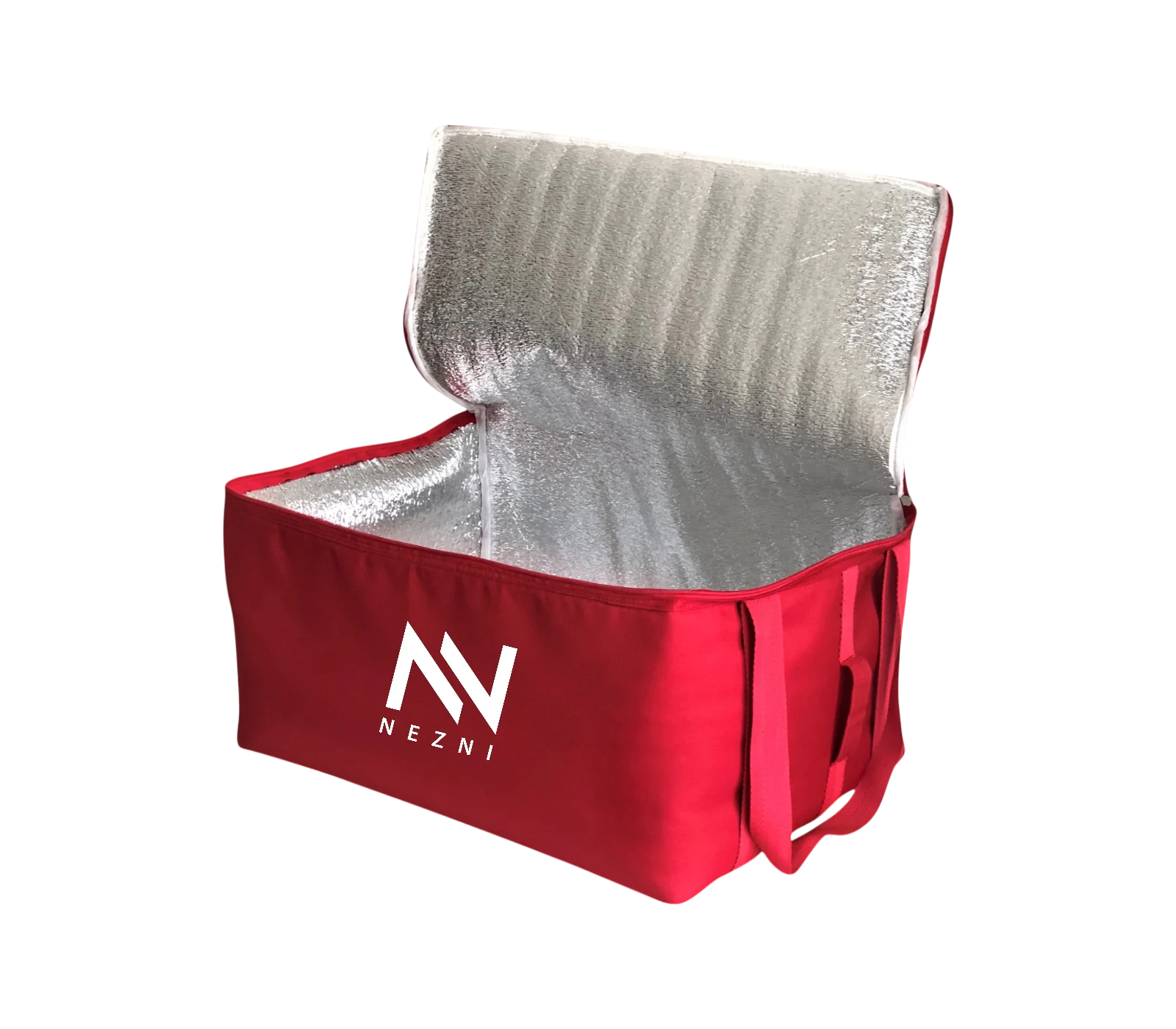
A cooler bag demonstrates why the outer material is only one part of the specification. Insulation, lining, internal seams, closure and structural support determine the functional performance of the finished product.
These layers increase material consumption and assembly complexity, but they are essential when the bag must provide thermal performance rather than simply carry contents.
For functional bags, the internal construction should be specified with the same care as the exterior appearance.
MULTI-COMPONENT CONSTRUCTION
More Complex Bags Require More Coordination
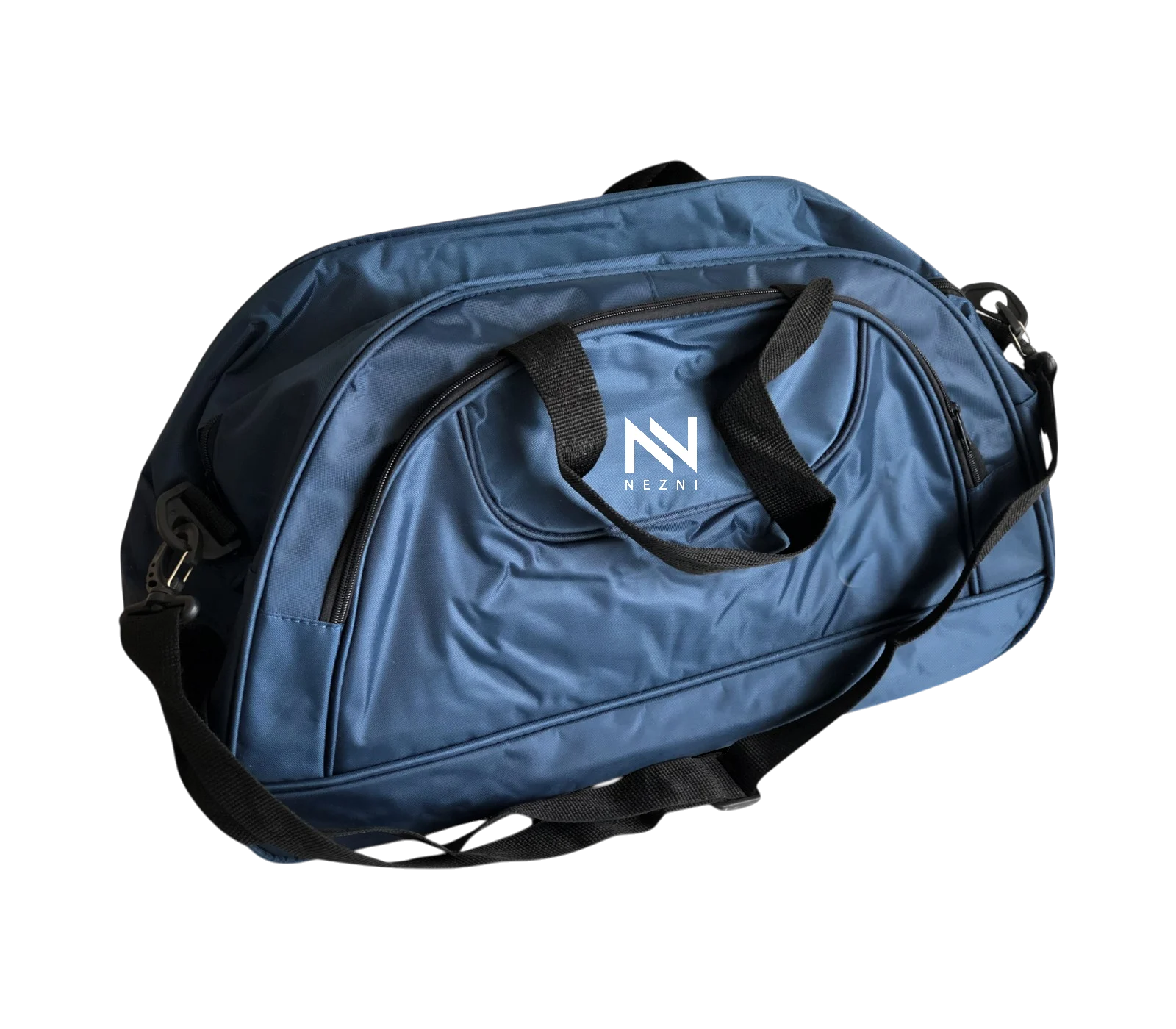
A duffel or travel bag combines multiple panels, curved seams, zippers, webbing handles, shoulder straps and hardware. Each component must align with the others during assembly.
This complexity can improve usability and product value, but it also increases cutting, sewing, component sourcing and inspection requirements.
When comparing quotations, buyers should therefore look at the complete construction rather than comparing only the outer material or nominal bag size.
How Construction Changes Cost
Construction affects cost through both material consumption and production time. A flat tote with two handles is fundamentally different from a lined shopper with a gusset, zipper, pocket, reinforced base and custom labels.
Cost should therefore be evaluated against the value of each feature. Removing a required reinforcement to reduce price can create a performance problem, while adding unnecessary features can make a simple promotional bag commercially inefficient.
How Construction Changes Performance
Performance means more than maximum carrying strength. It can include shape retention, ease of opening, comfort, organisation, thermal protection, access to contents or the ability to fold and store the bag efficiently.
The correct construction depends on which of these functions matter to the project. A soft foldable bag and a structured retail shopper may use similar base materials but require very different patterns and finishing.
Avoid Under-Specification and Over-Specification
Under-Specification
Too little reinforcement, an unsuitable seam, weak handle attachment or insufficient structure can reduce product performance even when the material itself is appropriate.
Over-Specification
Excessive lining, reinforcement, pockets or hardware can add cost and weight without creating meaningful value for the intended use.
The objective is not to build the strongest possible bag. It is to build a bag whose construction is appropriate for the intended load, use cycle, commercial position and target cost.
What Buyers Should Define Before Requesting a Quote
A manufacturer can recommend construction options more effectively when the intended performance is clear. The brief does not need to specify every stitch, but it should explain what the bag is expected to do.
Evaluate the Bag as a Complete Construction
For durability: review the load path — material, seams, handles, base and reinforcement together.
For cost: identify which added components and production steps create genuine value for the project.
For performance: define what the bag must actually do before deciding how it should be built.
The same material can support a simple tote, a gusseted shopper, a lined cooler or a multi-component travel bag. What changes is the construction around it.
For B2B projects, treating construction as part of the specification from the beginning helps create clearer quotations, more useful samples and a better balance between durability, performance and production cost.