
MATERIAL COMPARISON
Cotton vs Canvas Bags for Promotional and Retail Projects
Cotton and canvas are both natural-looking woven materials, but they can produce very different results in weight, structure, printing, durability and overall product positioning.
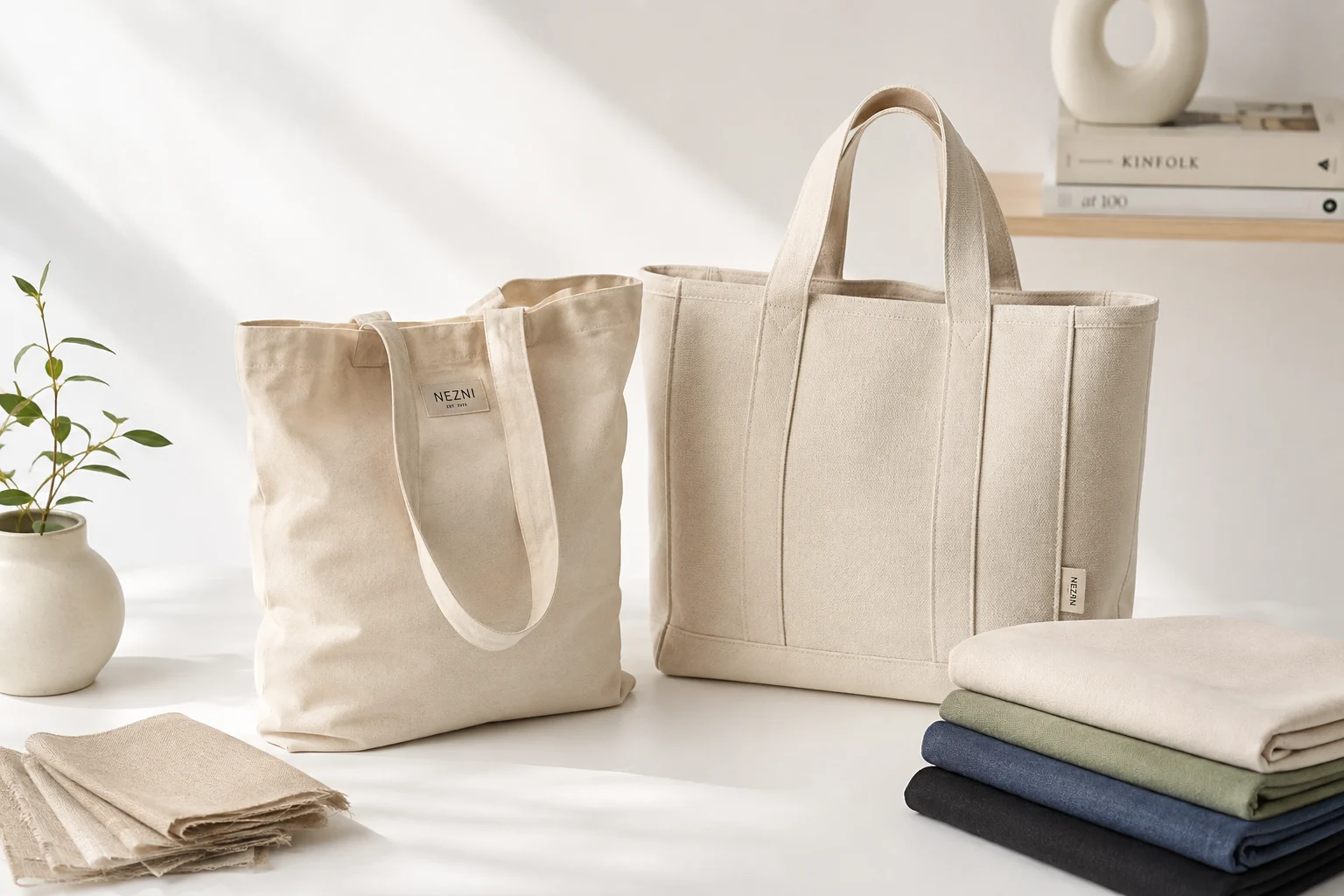
Cotton and canvas bags are frequently considered for promotional, retail and corporate projects because both materials offer a natural textile appearance and broad customisation possibilities. They can look similar at first glance, especially when produced in comparable colours, but the way they behave during manufacturing and use can be quite different.
The choice should therefore not be based only on whether a buyer prefers “cotton” or “canvas” as a label. Fabric weight, weave density, construction, printing method, expected load, target quantity and the desired commercial positioning of the finished bag all matter.
For a lightweight campaign tote, cotton may offer the right balance of cost and appearance. For a more structured retail or corporate bag, canvas may provide the body and durability the project requires. The best option depends on the specification as a whole.
QUICK COMPARISON
COTTON
A Flexible Option for Promotional Projects
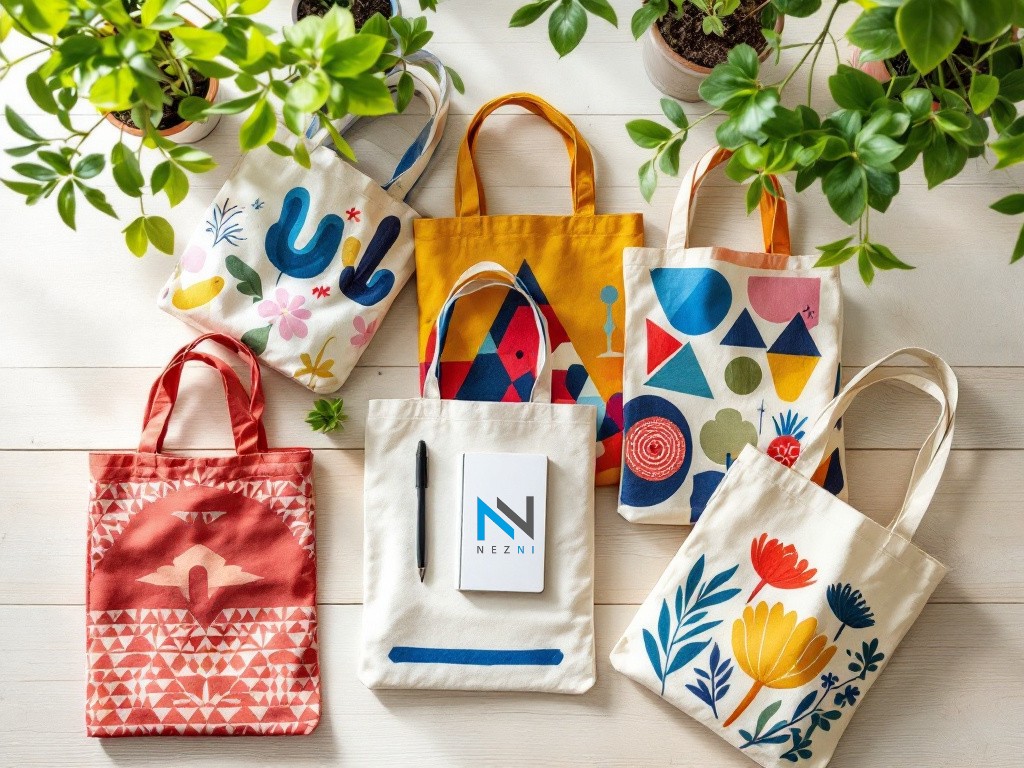
Cotton is commonly used when the project needs a soft, natural-looking textile with good printability and a relatively simple construction. Depending on fabric weight and weave, it can range from lightweight promotional totes to more substantial reusable bags.
For campaigns, events and corporate giveaways, lighter cotton can be attractive because it keeps the finished bag flexible and easy to distribute while still offering a recognisable textile feel.
Cotton is also useful when artwork, colour or message visibility is a priority. The final result, however, depends on fabric density, colour and the selected print technique, so print testing at the sampling stage remains important.
CANVAS
More Structure for Retail and Premium Use
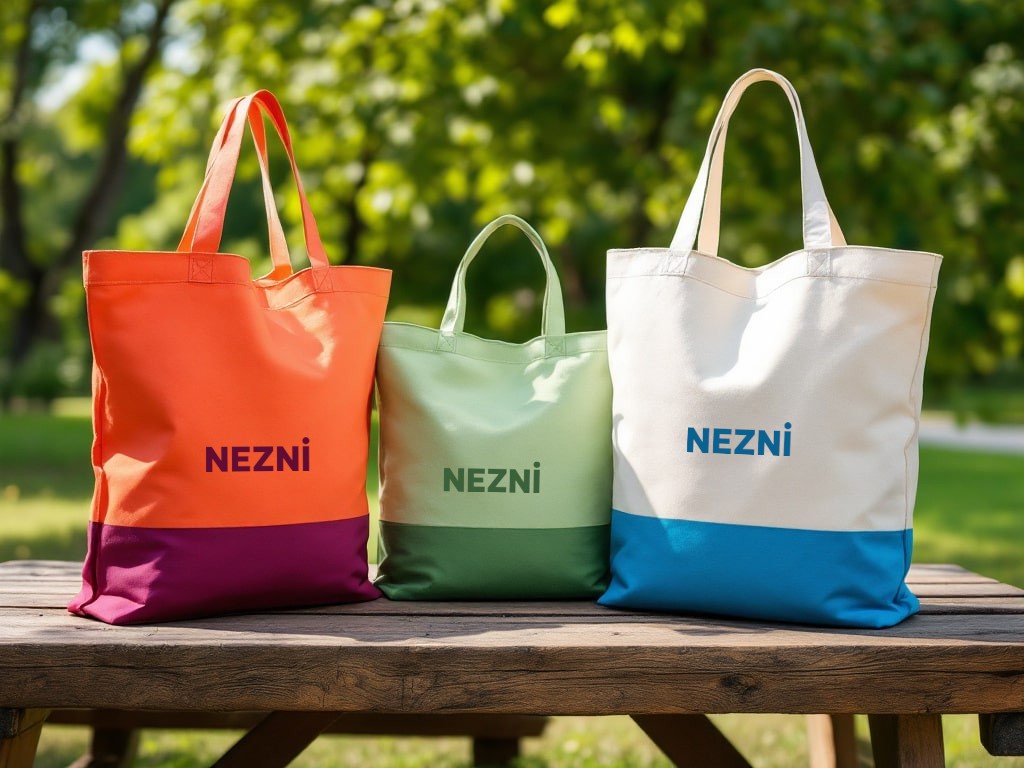
Canvas is generally heavier and more structured than lighter cotton fabrics. This additional body can create a more substantial hand feel and help the bag maintain its shape, which is valuable for retail, corporate merchandise and reusable projects.
The material also works well with design details such as wider handles, reinforced seams, gussets, internal pockets and other construction features that may be expected in a more premium product.
A heavier fabric does not automatically make a bag better, however. Canvas can increase material use, sewing requirements and shipping weight, so the added structure should serve a clear project purpose.
Weight and Structure
Fabric weight is one of the clearest practical differences between many cotton and canvas specifications. Cotton can be supplied in lighter or heavier constructions, while canvas is typically associated with a denser and more substantial woven structure.
A lighter fabric creates a softer bag that folds easily and occupies less volume. This can be useful for campaigns where a large number of bags need to be packed, transported or handed out. A heavier canvas bag normally feels more robust and may stand more naturally when empty, but it also uses more material.
Buyers should therefore compare actual fabric specifications rather than relying only on the material name. A heavy cotton and a light canvas can overlap in feel and performance, so GSM, weave and finishing should be reviewed together.
Printing and Branding
Both cotton and canvas can support custom branding, but the surface and weight of the fabric can influence print appearance. Smooth, tightly woven fabrics usually provide a more controlled printing surface, while heavier textures may create a more tactile but less uniform result.
Artwork complexity, print area, number of colours and the intended visual finish should be considered before the fabric is finalised. A material that looks attractive without print may behave differently once large solid areas or fine graphic details are applied.
Sampling is therefore especially important for projects where exact brand colours, fine details or large print coverage are commercially important.
Construction, Durability and Handling
The durability of a bag depends on more than the fabric alone. Handle attachment, seam construction, reinforcement, gussets and the expected carrying load all influence how the finished product performs.
Which Material Fits Promotional Projects?
Promotional projects often prioritise quantity, branding visibility, easy distribution and controlled unit cost. In this context, cotton is frequently the more efficient choice, particularly when a lightweight construction is sufficient.
Canvas can still be appropriate for promotional use when the objective is to create a higher-value item that recipients are expected to keep and reuse. The choice depends on whether the bag is primarily a campaign carrier or a more lasting branded product.
Which Material Fits Retail Projects?
Retail projects usually place more emphasis on structure, finishing, consistency and the way the product feels in the customer’s hand. Canvas often performs well in this setting because its heavier structure can support more detailed construction and create a more premium perception.
Cotton can also work very well for retail if the selected weight and construction are appropriate. A carefully specified heavy cotton tote may provide the natural, flexible look a brand wants without the additional stiffness of canvas.
Promotional Project Priorities
Often best when efficiency and distribution matter as much as appearance.
- Large quantities
- Simple tote constructions
- Strong logo visibility
- Lower packing volume
Retail Project Priorities
Often best when structure, finishing and perceived product value are more important.
- More substantial hand feel
- Reinforced construction
- Pockets, gussets or closures
- Premium presentation
Quantity and Cost Should Be Evaluated Together
Material weight affects more than the fabric cost. It can also influence cutting, sewing, packing and transportation. For high-volume programmes, small differences in material consumption or production time can become commercially significant.
This does not mean the lightest fabric is always the most economical choice. If a bag needs additional reinforcement because the base fabric is too light, the final construction may become more complex. The correct comparison is therefore between complete specifications rather than fabric price alone.
Which One Should You Choose?
Choose cotton when you want a softer, flexible and often lighter textile bag for promotional, event, corporate or everyday applications where efficient production and branding are key priorities.
Choose canvas when the project needs greater structure, a heavier hand feel, stronger construction details or a more premium retail and reusable positioning.
If the distinction is still unclear, compare physical fabric samples and evaluate the complete bag specification — dimensions, handles, printing, expected load, quantity and target cost — before approving the material.
Define the Project Before Finalising the Fabric
The most effective material decision usually comes from the project requirements rather than from selecting cotton or canvas in isolation. A clear brief gives the manufacturer enough information to recommend a fabric weight and construction that match the intended result.
Include the bag dimensions, estimated quantity, intended use, preferred colour, artwork, handle style, expected load and any additional features when requesting a quotation or sample. This makes it easier to compare material options on a like-for-like basis.