
MATERIALS & PRODUCTION
How to Choose the Right Material for Custom Bag Manufacturing
A practical B2B guide to comparing cotton, canvas, nonwoven, PP woven and polyester materials according to use, construction, printing, performance and project requirements.
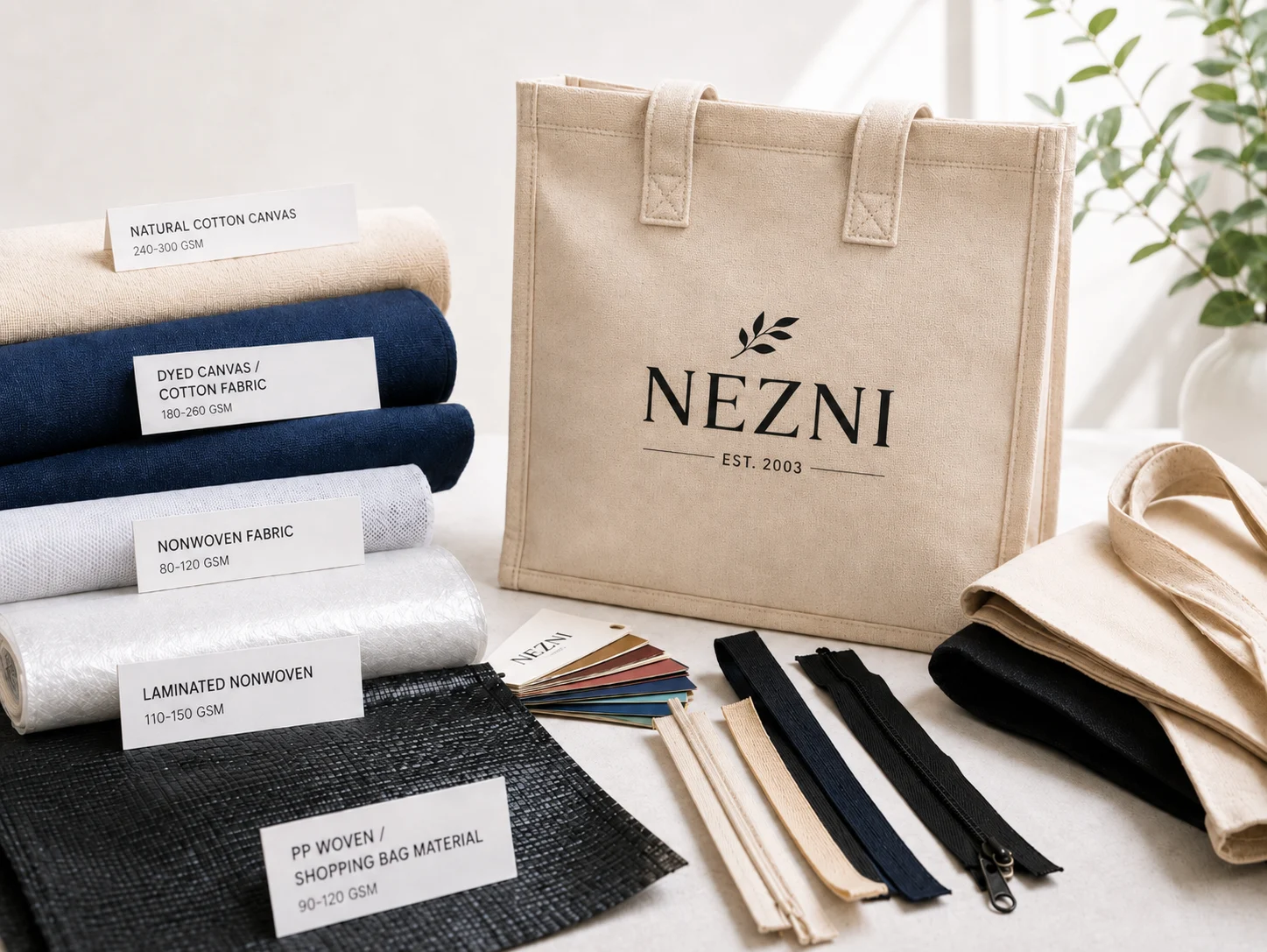
Choosing the right material is one of the most important decisions in a custom bag project. Material selection affects not only how the finished bag looks, but also how it feels, how much weight it can carry, which printing methods can be used, how the bag can be constructed and how efficiently it can be produced at scale.
For B2B buyers, the best material is rarely the one that simply looks most attractive in a sample. The right choice depends on the intended use, target quantity, branding requirements, expected load, required finish and commercial positioning of the final product. A bag designed for a retail launch may need a very different material from one intended for an exhibition, supermarket programme, promotional campaign or long-term corporate use.
This guide explains the practical differences between commonly used bag materials and the main factors procurement teams, agencies, distributors, wholesalers and brands should consider before requesting a quotation.
KEY FACTORS
Start with the Intended Use
Before comparing fabrics or asking for a specific material, define what the bag needs to do. The intended use usually provides the clearest starting point for material selection.
A lightweight promotional bag may prioritise cost efficiency, simple branding and high-volume production. A retail tote may require a more substantial hand feel, cleaner finishing and stronger handles. A reusable shopping bag may need higher load capacity and resistance to repeated use. A cooler bag or backpack will normally require functional synthetic materials, reinforcement and additional components.
It is therefore useful to describe the project in terms of performance before selecting a material. Consider where the bag will be used, what it will carry, how long it is expected to remain in use and how important appearance is relative to cost and function.
MATERIAL 01
Cotton Bags
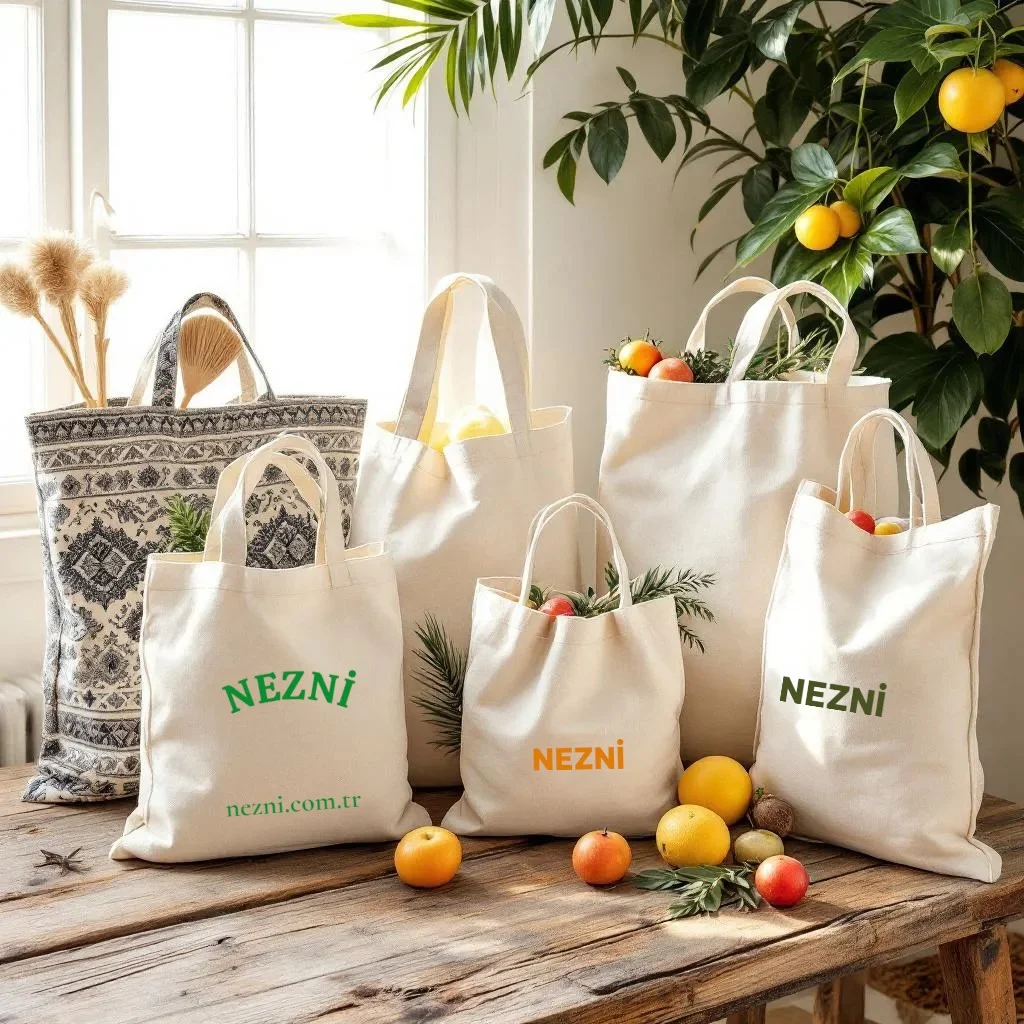
Cotton is a widely used option for promotional, retail and corporate bag projects where a natural textile appearance is important. It offers a soft hand feel, good printability and a familiar woven surface that works well with simple tote constructions as well as more detailed custom designs.
Cotton fabrics are available in different weights and constructions. A lighter cotton can be appropriate for event giveaways, packaging or short-term promotional use, while heavier weights provide more structure and a more substantial feel.
When evaluating cotton, buyers should consider fabric weight, weave density, colour, shrinkage tolerance, handle construction and the chosen printing method. The same basic material can produce very different results depending on these specifications.
MATERIAL 02
Canvas Bags
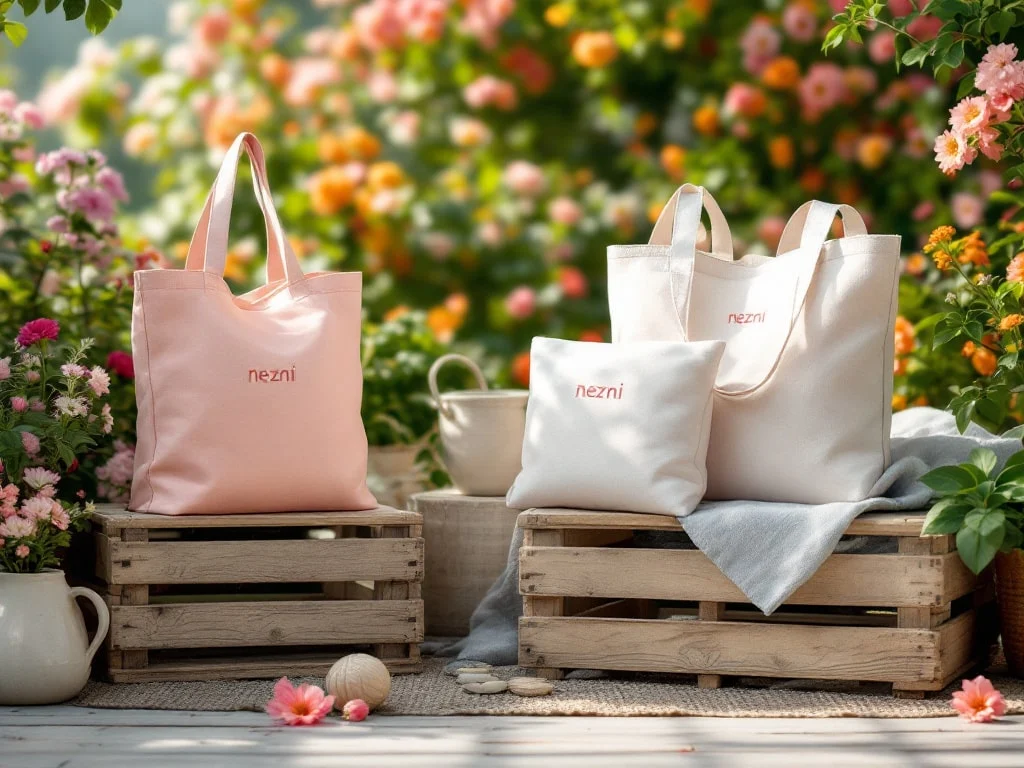
Canvas is generally selected when a stronger, heavier and more premium woven construction is required. Compared with lighter cotton fabrics, canvas offers greater body and structure, making it suitable for retail totes, corporate merchandise, beach bags and reusable designs expected to carry more weight.
The heavier structure can also influence printing, sewing and finishing. Larger panels, reinforced handles, gussets, internal pockets, zippers or other custom features can often be integrated effectively into canvas designs, but the final specification should be developed as a complete construction rather than by material weight alone.
For premium projects, colour consistency, fabric surface, stitching quality and finishing details are just as important as nominal fabric weight.
MATERIAL 03
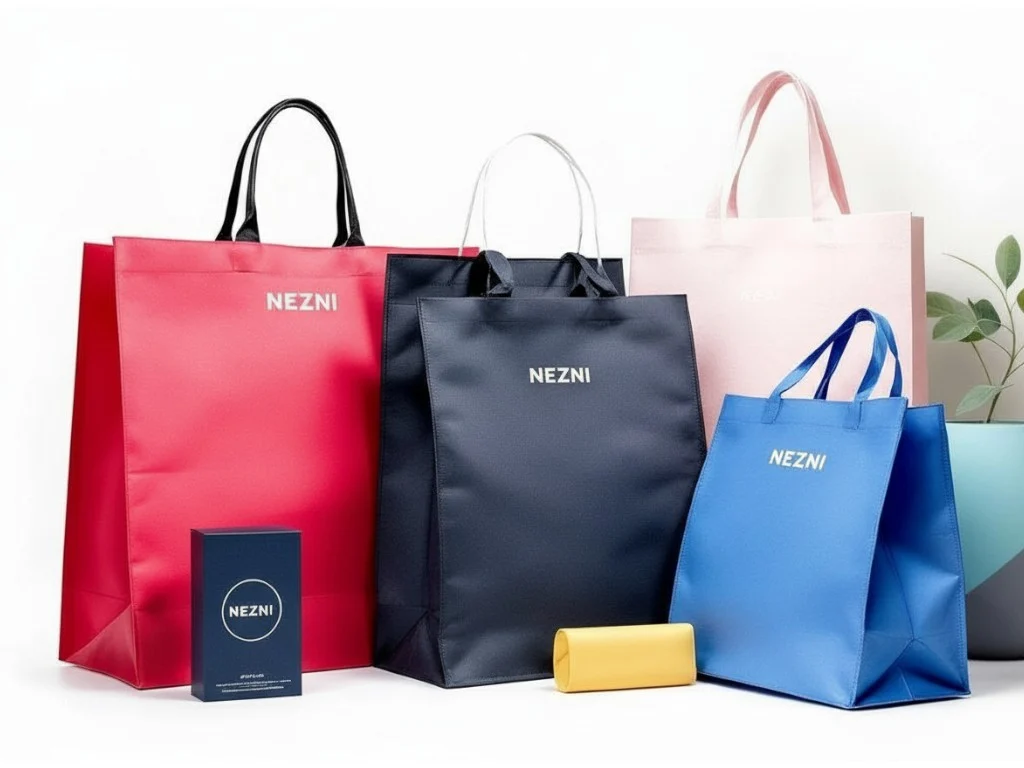
Nonwoven Bags
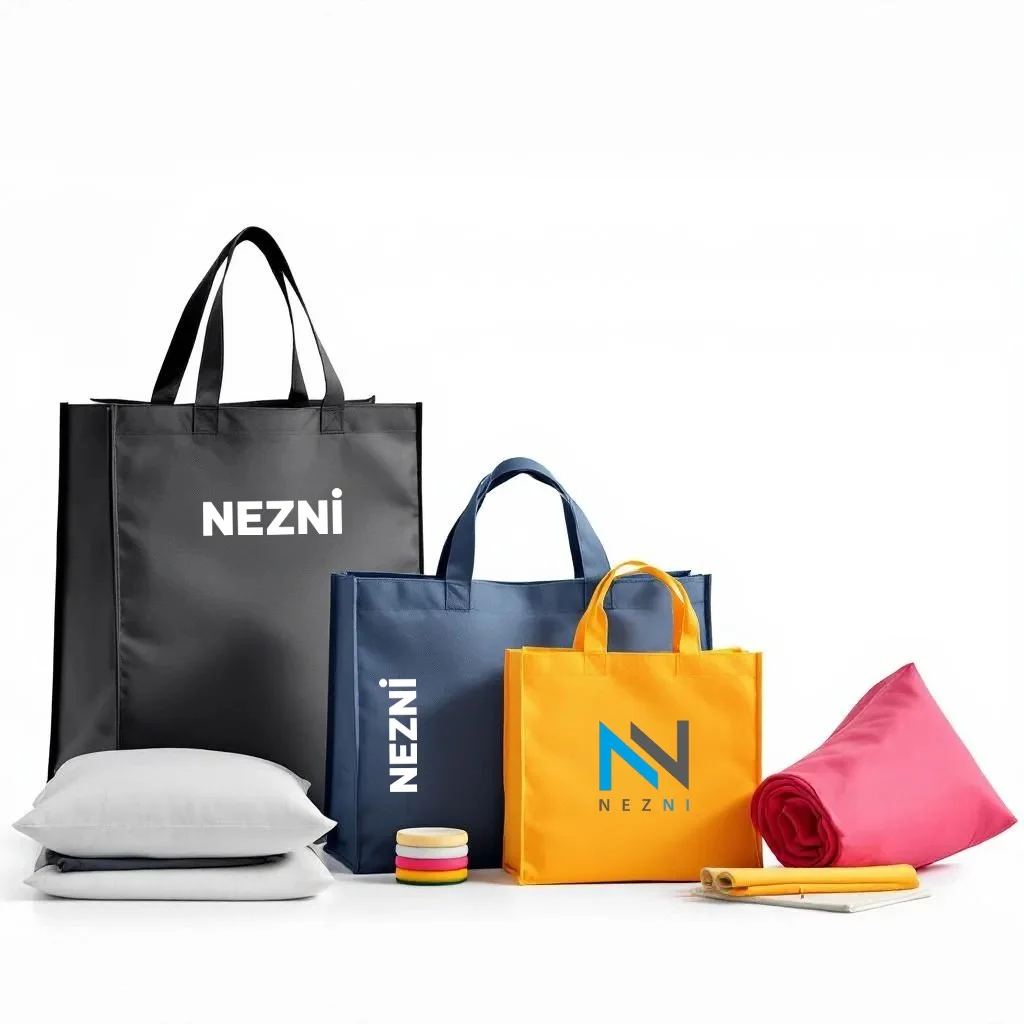
Nonwoven material is frequently used for high-volume promotional, exhibition and shopping bag projects. It is lightweight, cost-efficient and available in a wide range of colours. Depending on the project, nonwoven bags can be produced with sewn construction or heat-sealed construction.
These two construction methods should not be treated as identical. Sewn nonwoven bags use stitched seams and can support a broader range of design details. Heat-sealed bags are produced using thermal bonding and are often selected for efficient, large-volume production with simpler structures.
Material weight, seam method, handle type and expected carrying load should all be evaluated together. A low-cost nonwoven specification may be suitable for lightweight promotional contents but inappropriate for heavier retail use.
MATERIAL 04
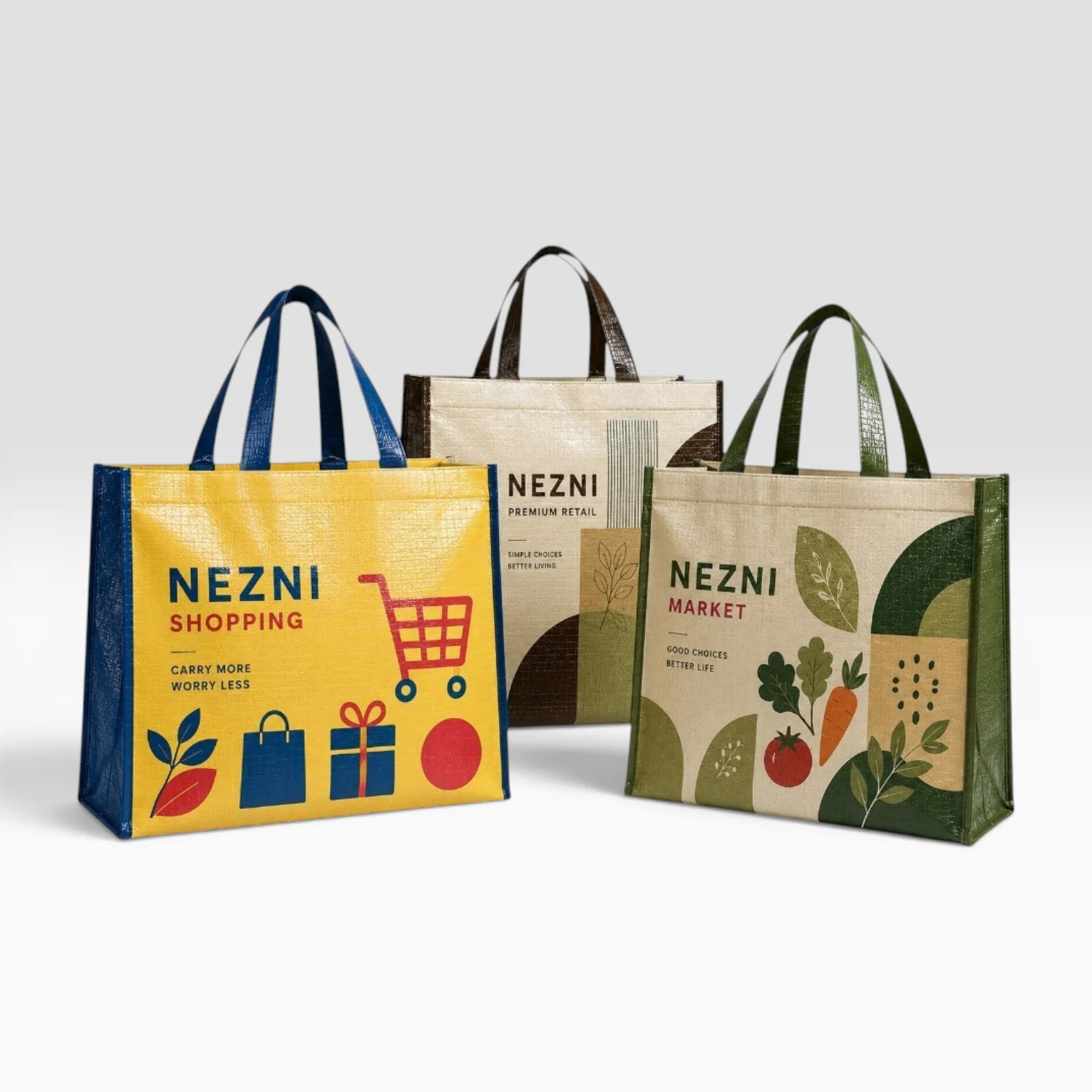
Laminated Nonwoven Bags
Laminated nonwoven combines a nonwoven base with a laminated outer surface. The laminate changes both the appearance and the performance of the material, creating a smoother surface and allowing more visually intensive print treatments than standard nonwoven.
It can be a good option for branded shopping bags, promotional campaigns and retail projects that require a stronger visual presence without moving to a woven textile such as cotton or canvas.
Buyers should confirm laminate finish, print coverage, bag construction and handle type at the sampling stage, because these details can materially change the appearance of the final product.
MATERIAL 05
PP Woven Bags
PP woven material is commonly used for reusable shopping bags and other applications where strength, structure and repeated use are important. The woven polypropylene base provides a durable construction, while lamination can create a printable outer surface and improve the visual finish.
A laminated PP woven bag can support large printed areas, reinforced handles, gussets and higher-capacity formats. This makes it particularly useful for supermarket, retail and high-volume reusable shopping programmes.
PP woven should be evaluated in terms of woven base quality, lamination, print method, seam construction and handle reinforcement. A visually similar sample can perform very differently if these specifications are changed.
MATERIAL 06
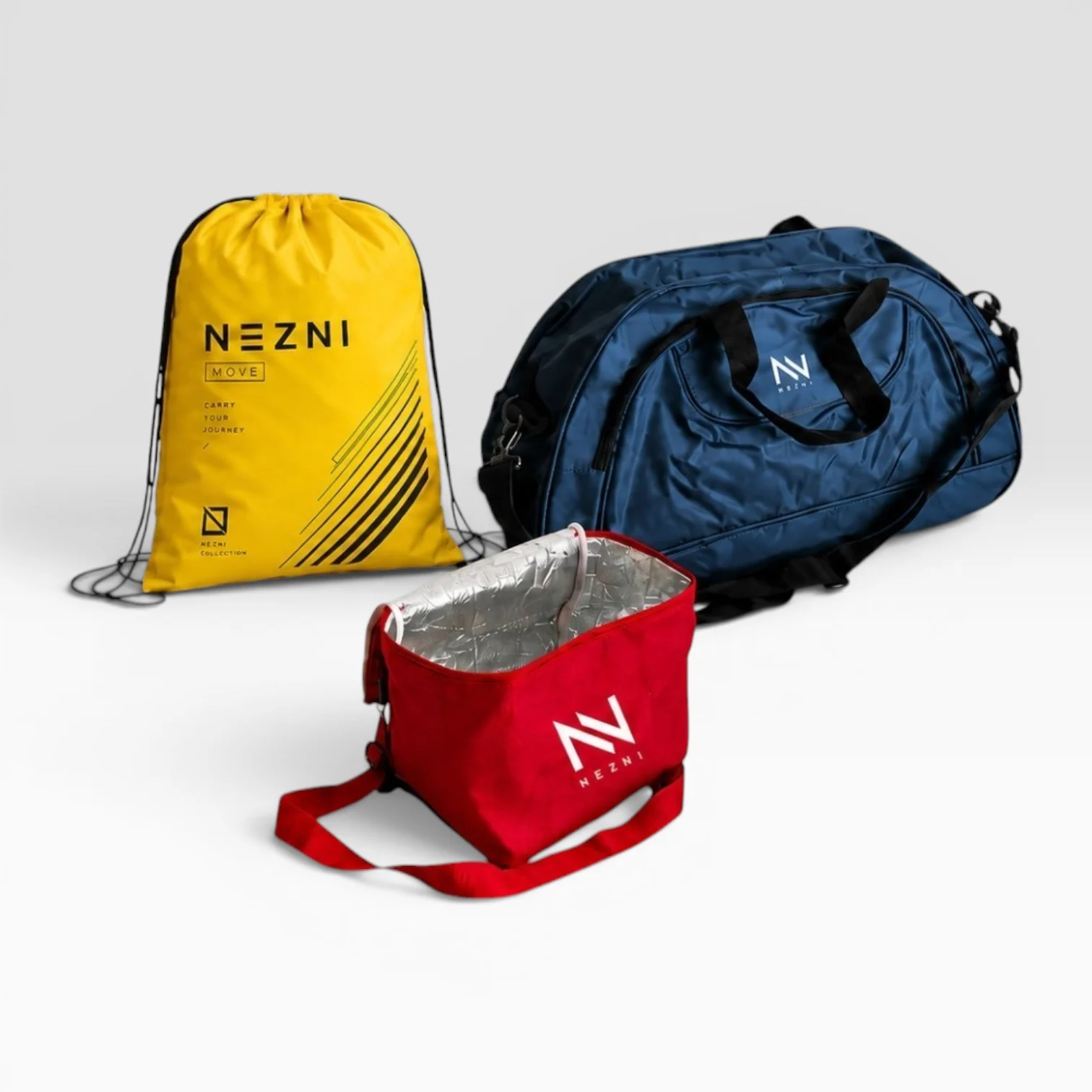
Polyester Materials
Polyester is used when the project requires a more technical or functional bag construction. Depending on the fabric type and coating, polyester can be suitable for backpacks, cooler bags, drawstring bags, organisers and other products that need lightweight strength, flexibility or additional functional components.
Polyester materials are available in many structures and surface finishes, so the term “polyester” alone is not a sufficient specification. Fabric weight, denier, coating, lining, padding, zipper requirements and reinforcement points should be defined according to the final use.
For functional products, it is particularly important to review the complete bag construction rather than selecting the outer material in isolation.
Compare More Than Appearance
Material selection should be made by comparing the complete commercial and technical requirements of the project. The following factors are usually more useful than appearance alone:
Material Selection for Custom Projects
In custom manufacturing, material selection is usually more effective when it is treated as part of the product-development process rather than as a fixed decision made before sampling. A project may begin with a preferred material, but construction, print requirements, target price or intended use can indicate that another specification would perform better.
For this reason, buyers should provide as much project context as possible. A clear brief allows the manufacturer to recommend suitable material options, identify potential production limitations and prepare a sample that reflects the intended commercial result.
Where required, material sourcing can also be aligned with project-specific compliance or certification requirements. OEKO-TEX certified materials can be sourced according to project requirements.
What to Include in Your Material Brief
A useful material brief does not need to be highly technical. Even a short project summary can significantly improve quotation accuracy and reduce unnecessary revisions during sampling.
When contacting a manufacturer, include the following information where available:
If the material has not yet been selected, that is not a problem. Describing the intended use, visual direction and target price can be enough to begin evaluating suitable options.
Choosing the Right Material Is a Project Decision
There is no single material that is best for every custom bag. Cotton, canvas, nonwoven, laminated nonwoven, PP woven and polyester each have different strengths, and the most suitable option depends on the complete project specification.
The most reliable approach is to evaluate material, construction, print, load requirements, quantity and budget together. This helps ensure that the final bag is not only visually appropriate but also practical to manufacture and suitable for its intended use.